(866) 817-0497

Primizie Fine Foods


Whole Foods Market


A & P


Dekalb Farmers Market


Mom’s Organic Market


Wichcraft


The Fish Market


Bouchon Bakery


Sea Rocket Bistro


Metro Catering


Monterey Bay Aquarium


Aquarium of the Pacific


K.M. Concessions Denver Zoo


Dallas Zoo


Los Angeles Zoo


The Living Desert


The Detroit Zoo


Sacramento Zoo


Nashville Zoo


Miami Metro Zoo


San Francisco Zoo


Cheyenne Mountain Zoo


Pittsburgh Zoo & PPG Aquarium


Tulsa Zoo


Houston Zoo


Minnesota Zoo


Fort Wayne Children's Zoo


Posted 6/30/2009


Tuna, Packed in Question
If you eat canned tuna for lunch, you're among millions of Americans who polish off almost a billion pounds of tuna a year, more than 95 percent of it canned...

Read full article.

Posted 6/30/2009


Top Four Tunas (We are #1)
As a chef, my favorite tuna has always been the yellowfin packed in olive oil because of its taste and meaty texture. But I now realize that, as a consumer, it is so much more complicated than just good taste.

Read full article.

Secrets of a Brown Bagger
contracostatimes.com

I THINK my co-workers have lunch envy. Not long ago, I was sitting on a bench with my Tupperware of turmeric-tinged Israeli couscous and mâche salad when a gaggle of ladies stopped on their way to the new barbecue joint down the street.

“Wow, look at you,” one remarked, eyes popping as she admired the kalamata olives, sun-dried tomatoes and basil strips. “Why don't I do that?” Read More


Tuna and Beer: The New ‘It’ Pairing

North Park’s Sea Rocket Bistro proves sustainability can be fun and delicious

Move over, wine and cheese pairings. There’s a new meal combo in town: tuna and beer.

I attended such a four-course dinner at Sea Rocket Bistro, a relatively new seafood eatery in North Park (3382 30th Street—the former site of The Linkery).

Run by Dennis Stein and Elena Rivellino, the Sea Rocket is an environmentally conscientious restaurant.

Stein calculates that ‘of the $35,000 we spent on food in the first four months of the year, about 50 percent is local (within 100 miles). About 40 percent is regional food (1,000 miles), mainly from around California, Baja, and some off the coast of Oregon. About 10 percent of our food comes from other places entirely.’

Read full article.


San Diego Business
A Tuna Tale

A San Diego company with generational fishing ties is casting for a comeback.
By Ron Donoho
Posted on Wed, May 6th, 2009
Last updated Thu, May 7th, 2009

Move over, wine and cheese pairings. There’s a new meal combo in town: tuna and beer.

I attended such a four-course dinner at Sea Rocket Bistro, a relatively new seafood eatery in North Park (3382 30th Street—the former site of The Linkery).

Run by Dennis Stein and Elena Rivellino, the Sea Rocket is an environmentally conscientious restaurant.

Stein calculates that ‘of the $35,000 we spent on food in the first four months of the year, about 50 percent is local (within 100 miles). About 40 percent is regional food (1,000 miles), mainly from around California, Baja, and some off the coast of Oregon. About 10 percent of our food comes from other places entirely.’ sandiego.com

Read full article.


CANNED TUNA has been a lunchtime staple for generations, and its ubiquity has led to widespread consumer attention to fish and oceans. In the 1970`s, consumers became concerned about the unintended “bycatch” of dolphins in tuna nets. In the last decade, there’s been an additional concern: the high mercury content in some tuna, especially steaks from large blue fin tuna and canned chunk white. No one wants to pack a heavy metal in their child’s lunch box.

Yet tuna can be high in Omega-3 fatty acids, providing a low-fat, heart-healthy source of protein. So when your shopping for canned tuna, whether for yourself or a child, what’s the best choice? Learn how to decode the user-unfriendly labels so you can pick it out on store shelves. Read full article.


Mens Volleyball Olympic Gold Medalist David Lee chooses American Tuna


When a San Francisco sardine cannery relocated to San Pedro in 1893, a promising future arose for Italian and Portuguese immigrants fishing off the coast of Point Loma. Encouraged by the canners, these Southern California fisherman began targeting albacore, its texture well suited for canning, its “white meat” adored by consumers. Demand grew quickly. High-powered “clippers” replaced dayboat dories. Canneries popped up like surf shops. Vessels became long-range voyagers equipped with depth sounders, gyrocompasses and refrigeration. And so began a great chase. Read full article.


It was a perfect seventy-five degrees outside, with just the faintest whisper of fall in the evening breeze. Turning on the stove was not an option, not with only a few more hours of sparkling sunlight left. Luckily, I happened to have a half baguette in the freezer, a load of market goodies, and a can of tuna on hand—but this was not your ordinary canned tuna. This was American Tuna, a brand comprised of 6 fishing families in San Diego who hand-catch and inspect their fish. As the company states on their website (www.americantuna.com):

All the albacore that we catch and process from the colder Pacific waters are specifically between the ages of 2-5 years old. Using the ‘hook & line’ methods allows us to monitor and inspect each catch. Mercury levels in such fish are at minimal trace levels, some non-detectable. The albacore we catch from the northwest has a very high oil content. Read full article.


Featured on Good Morning America!

Chef Sarah Moulton of Good Morning America named her 10 favorite new products. And we are thrilled that after visiting Primizie's booth at the show and tasting the American Tuna Sarah selected the amazing tuna we all love. And then to top it all of the tuna was named a favorite by host Diane Sawyer!!! Check it out: Fancy Food for Your Taste Buds.

“What You can learn from Top Chefs “Top Chef” Tom Collicchio”

Tom Colicchio explains what every man should keep in his fridge, why real cooks don’t need recipes, and why cans rule, whether you’re talking diet soda or tuna.

Click here for Article
men.style.com


Recently Featured in the New York Times!

Canned tuna has become a kitchen staple with considerable baggage. Issues like fishing practices and mercury, fat and sodium content confront a shopper long before the mayo hits the fish. But now there is tuna from small, family-run companies that ply the Pacific, mostly off northern California, Oregon and Washington, and catch the fish using rods with unbarbed hooks, not vast nets, so there is no unwanted “by-catch.”

Click here for Article
www.nytimes.com


Marine Stewardship Council Logo The MSC is an independent, global, non-profit organization whose role is to recognize, via a certification program, well-managed fisheries and to harness consumer preference for seafood products bearing the MSC label of approval.

Press Release www.msc.org/html/ni_307.htm

MSC Home pg. www.msc.org

AAFA Home pg. www.americanalbacore.com


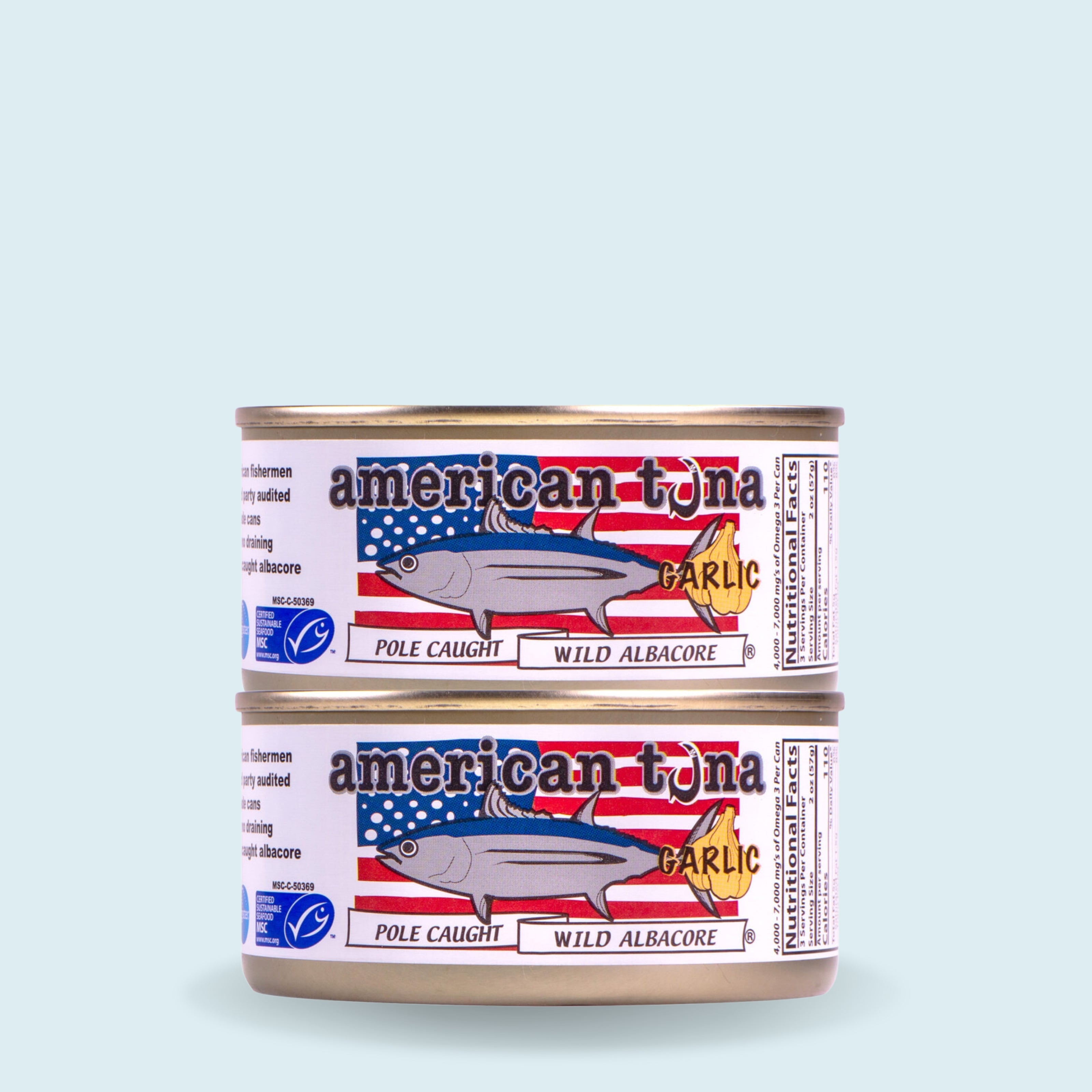
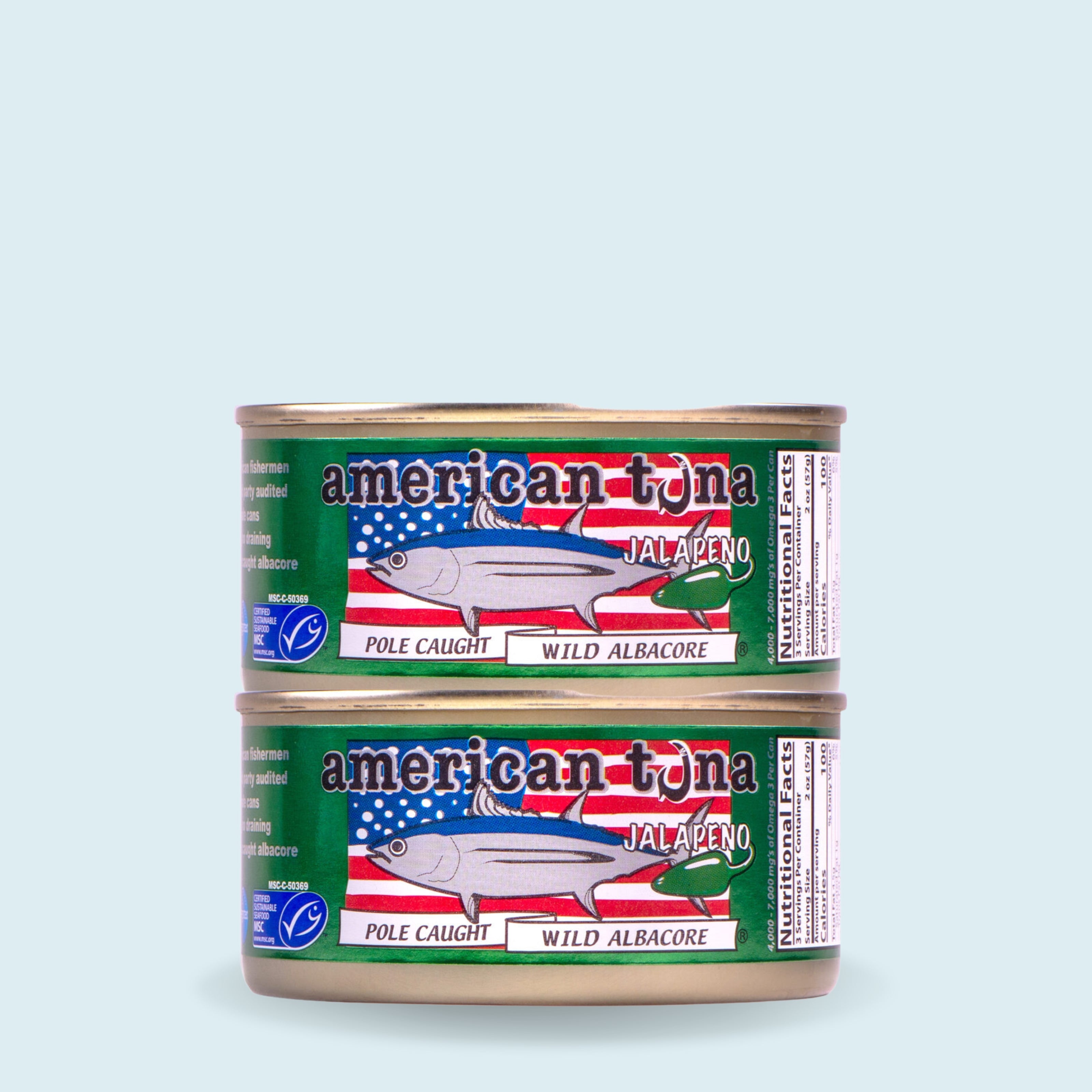
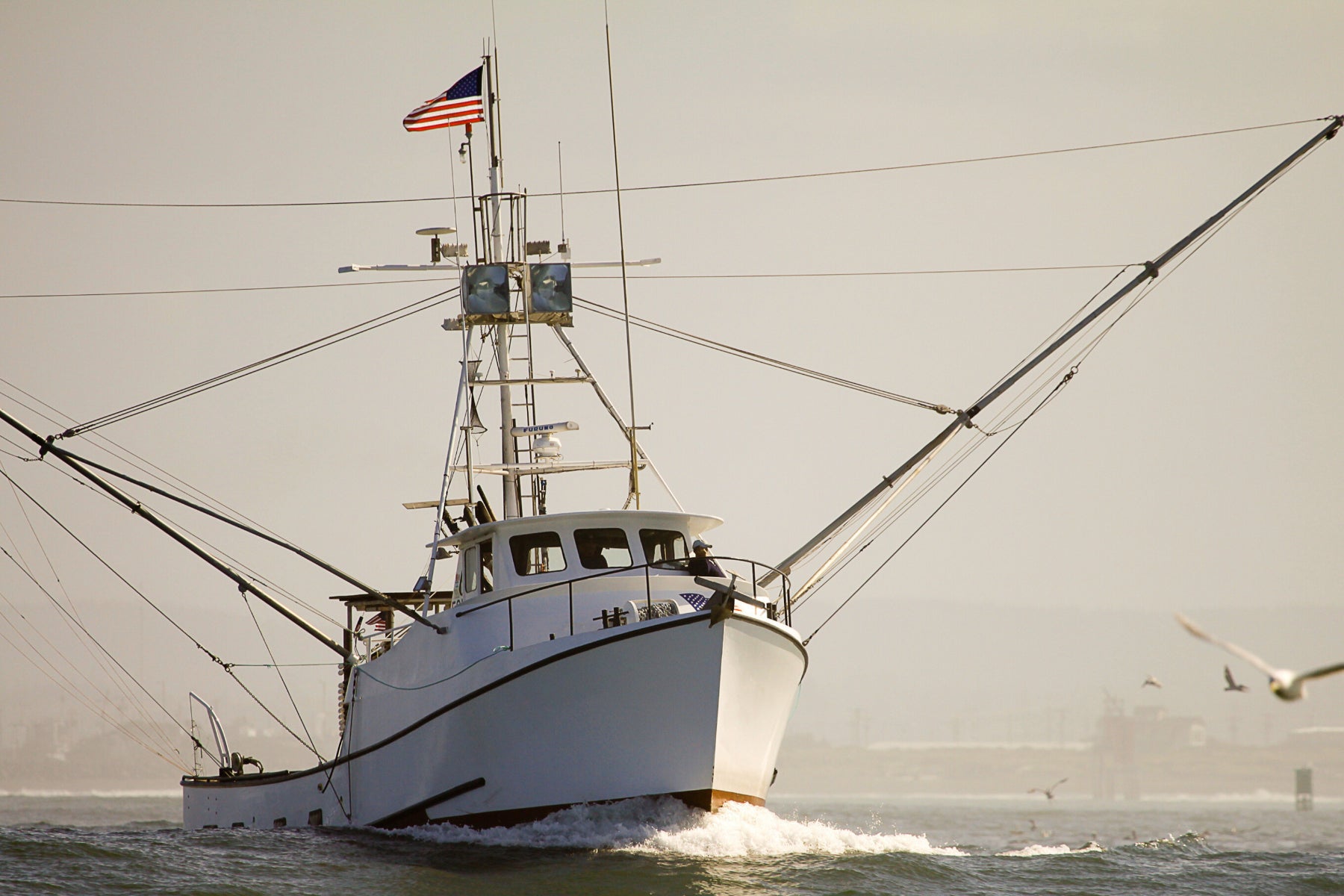
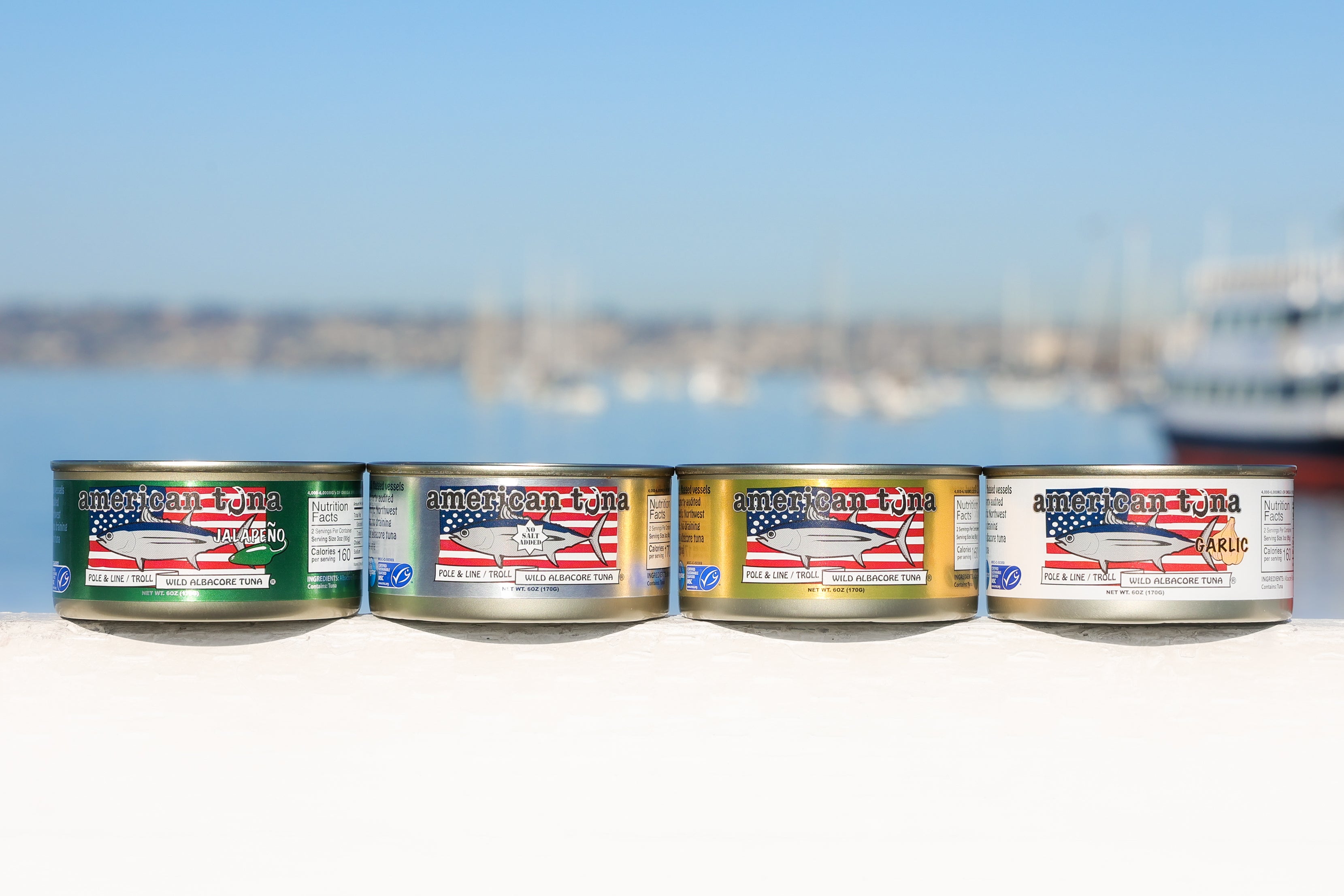
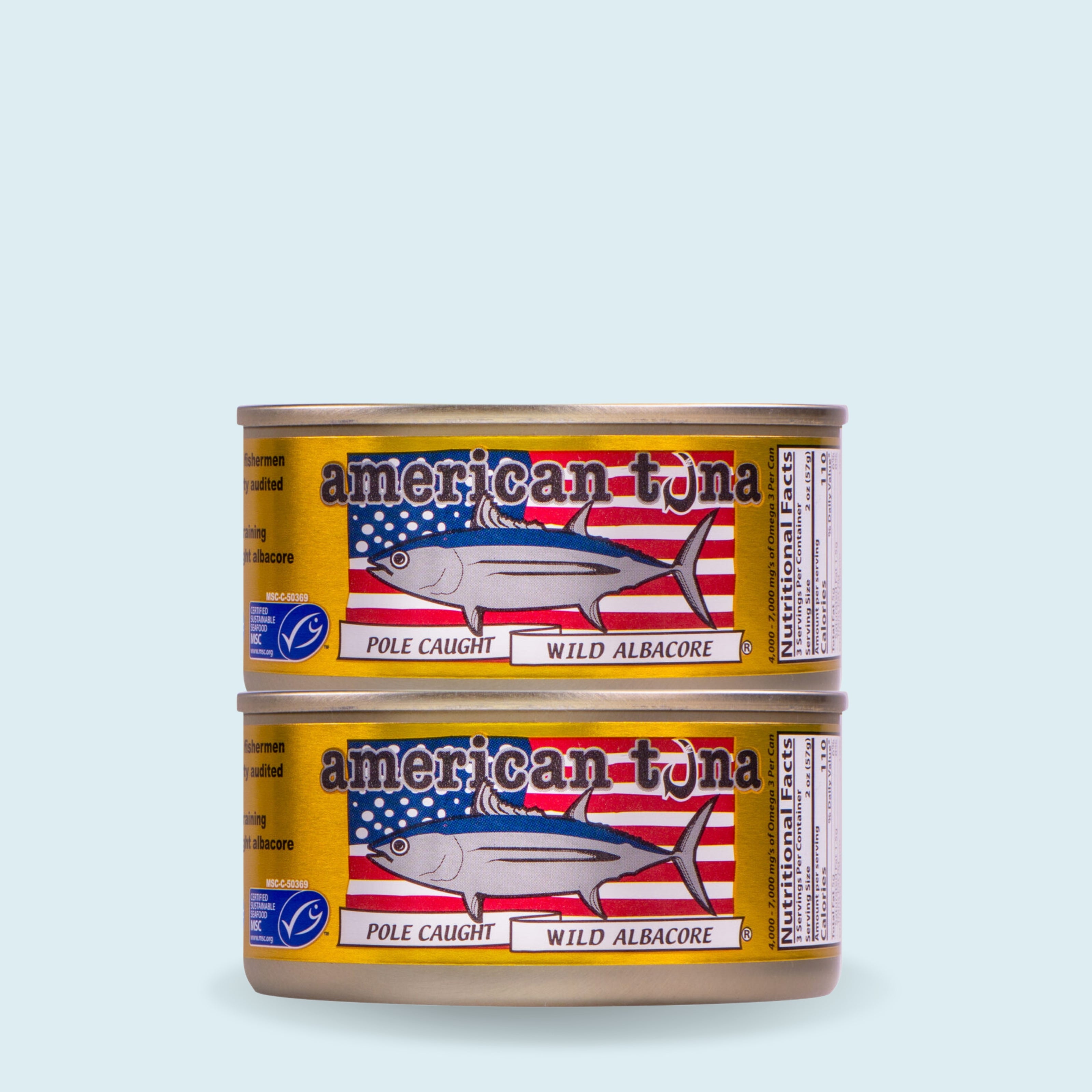
American Tuna Inc. is comprised of Six Fishing Families from San Diego. Our families are Commercial Pole and Troll Albacore Fishermen. The American Pole and Troll method utilized in the North and South Pacific has recently been MSC Certified as a Sustainable Commercial Tuna Fishery, the Only One in Existence! The MSC (Marine Stewardship Council) determined that “This product comes from a fishery which has been certified to the Marine Stewardship Council’s environmental standard for a well-managed and sustainable fishery”
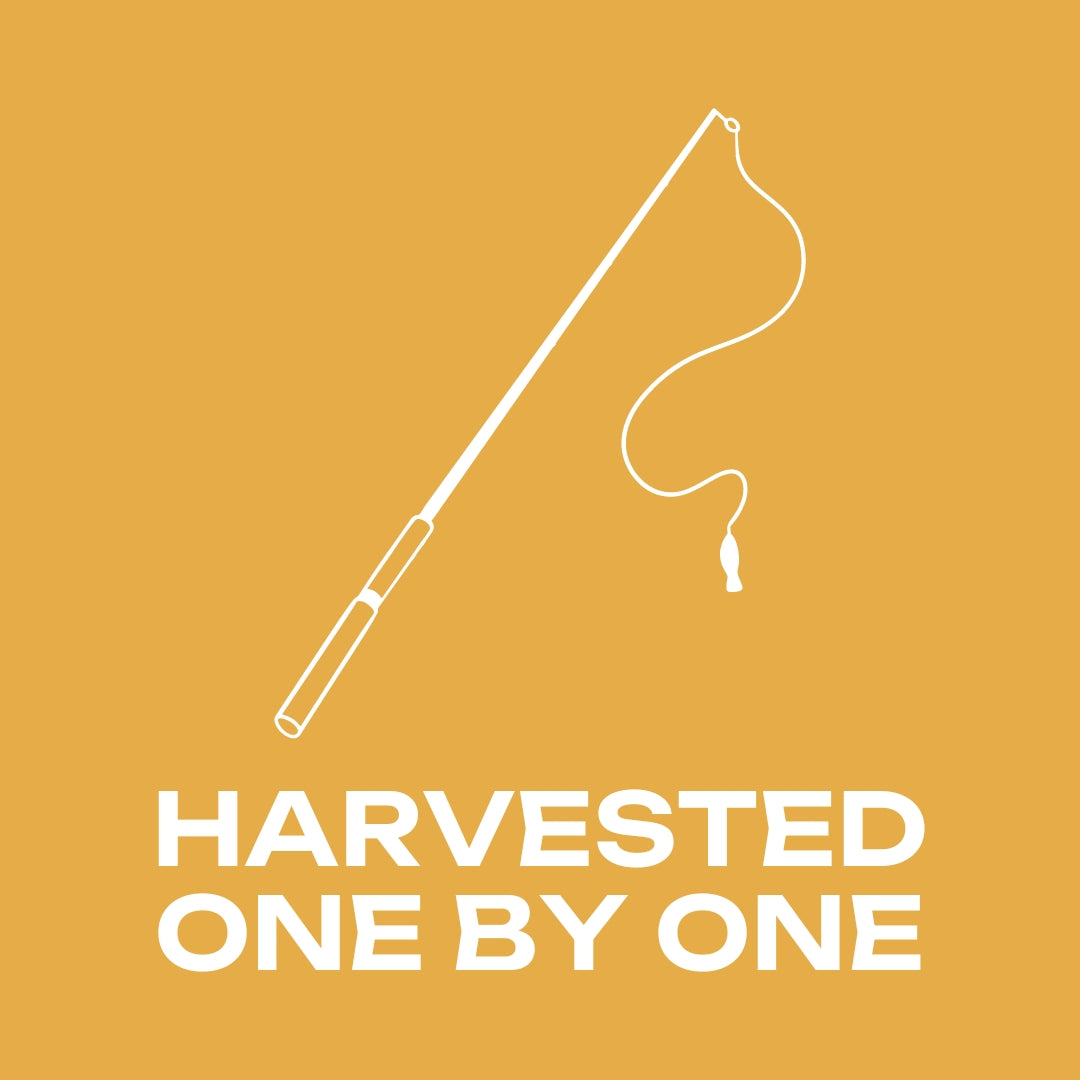
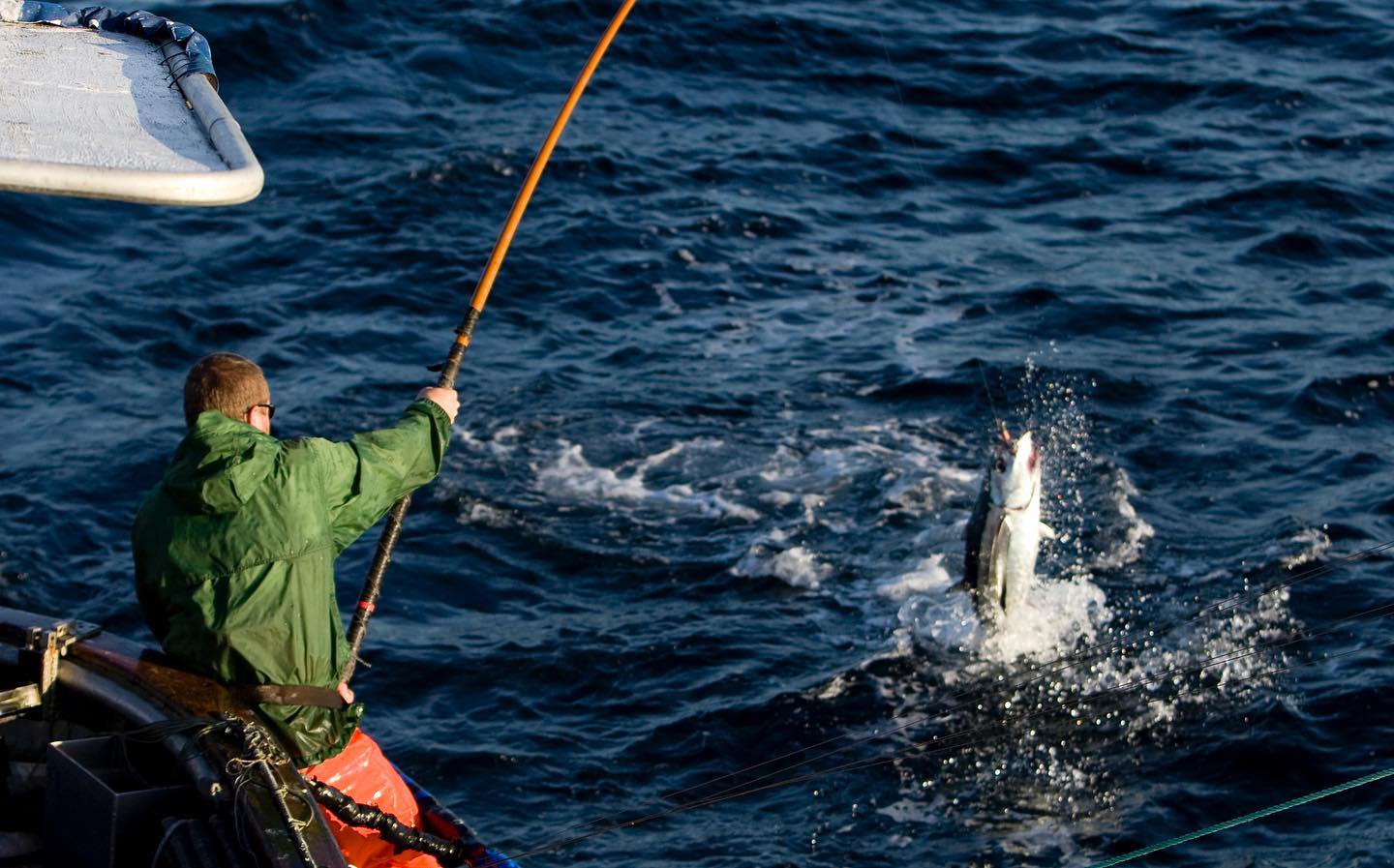
American Tuna only processes “Pole and Troll” caught Albacore Tuna. We only support the Sustainable harvest method achieved by using a Pole and Line, and catching the fish one at a time. Sustainability is only achieved by committing not to the bottom line but to the ocean and its future. Our Pole and Troll fisherman take a higher ground and utilize their skills as superior fisherman in harvesting albacore. The majority of commercial tuna fishing throughout the world utilizes methods that harvest tuna in advanced ways that destroy tuna populations.

Our Pole and Troll method has been proven not to damage tuna or bait fish populations, not to catch any other species besides albacore tuna (No Dolphins, Turtles, Sharks, Sea Birds, etc.), and gives the consumer a safe choice by harvesting smaller Mercury Safe Albacore. All of these qualities coupled with the fact that we have 100% Traceability of every single albacore harvested (meaning we can trace our final canned and labeled product back to the vessel that caught it!) makes American Tuna stand alone as the BEST CHOICE IN CANNED TUNA ANYWHERE!

tunatales.typepad.com

© 2006 American Tuna Contact Us